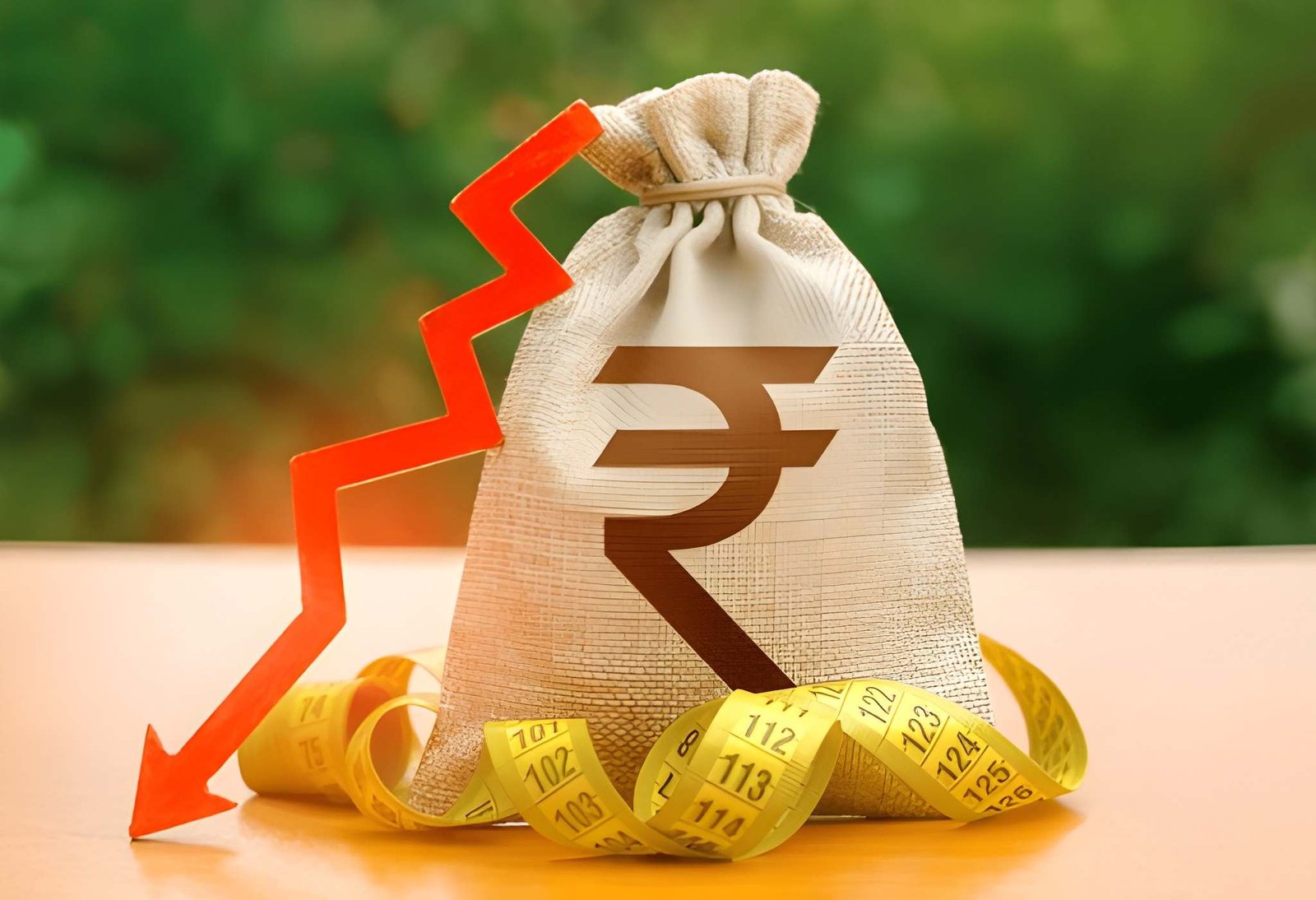
The Indian rupee has slid to 96.36/USD amid a surge in oil prices, with the Sensex dipping 0.5% due to broad-based selling in the IT and auto sectors. Global markets are experiencing pressure from tech earnings concerns and rising energy costs.
The rupee fell 11 paise to 96.36 per dollar on July 22, 2026 as oil prices rose, pushing the Sensex down 0.52% and Nifty 0.34%.
Global markets experienced widespread pressure as Indian equities traded in the red at mid-session, dragged down by selling across information technology and automotive sectors. Simultaneously, US stock indices faced downside pressures stemming from tech earnings and artificial intelligence capital spending concerns, while international crude oil touched $100 a barrel and the Japanese yen sank to historic lows.
Background
Market sentiment across major global financial hubs faced headwinds today as distinct domestic and international factors converged. In India, benchmark indices Nifty and Sensex opened under severe pressure before paring early morning losses during mid-session trading. Across global markets, investor sentiment was weakened by concerns regarding massive corporate outlays toward artificial intelligence infrastructure, alongside ongoing currency fluctuations and rising energy costs.
What Changed / Key Numbers
In domestic trading, broad-based selling dominated two critical index heavyweights: IT and Auto sectors. Although Indian benchmark indices attempted a recovery off their intraday lows, they remained firmly in negative territory through the middle of the trading session. Internationally, tech sector earnings reports heightened worries regarding high corporate spending commitments, pushing the Nasdaq down. Meanwhile, international crude oil prices breached the $100 per barrel mark, and the Japanese yen extended its protracted slide to reach historic lows against major global peer currencies.
Why It Matters
Bankerpedia Expert Analysis: In my work analyzing institutional systems and financial infrastructure, market corrections triggered by tech spending concerns often signal a pivot from speculative growth toward audit-level scrutiny of operational yields. When heavy capital expenditures in technology fail to deliver immediate margin expansion, institutional investors reallocate funds toward risk-averse assets. For India, the simultaneous rise in energy costs through $100 crude oil introduces input cost pressure on manufacturing and supply chain sectors, directly impacting quarterly earnings quality across IT and auto supply chains.
What Experts and Data Say
Financial reporting across multiple global outlets indicates that the weakening Japanese yen is aggravating broader inflation fears outside the United States. Concurrently, international equity analysts point to technology earnings calls where mounting expenditure on artificial intelligence hardware and data center expansion failed to satisfy short-term return expectations, prompting equity liquidation across global technology portfolios.
What This Means for You
For Indian retail investors and depositors, persistent market volatility driven by global cues calls for defensive portfolio discipline rather than panic selling. While domestic benchmark indices show resilience by paring early intraday losses, elevated crude oil prices tend to trickle into domestic retail inflation and corporate operating costs over subsequent quarters. Maintaining adequate liquid buffers remains key during market realignments.
| Market Segment | Observed Trend | Primary Driver |
|---|---|---|
| Indian Equities (Nifty/Sensex) | Lower at mid-session (pared morning losses) | Broad selling in IT and Auto sectors |
| US Equities (Nasdaq) | Downward pressure | Tech earnings and AI spending concerns |
| Energy (Crude Oil) | Reached $100 per barrel | Global supply and commodity market pressures |
| Foreign Exchange (Japanese Yen) | Extended drop to historic lows | Global currency divergence and inflation fears |
Source: Economic Times, Hindu BusinessLine, Mint (July 24, 2026)
FAQ
Why are Indian stock markets falling today?
Indian equities are trading lower due to broad-based selling in the IT and auto sectors, exacerbated by weak global cues and rising crude oil prices.
How does $100 crude oil impact Indian retail investors?
Higher oil prices increase import costs for India, which can elevate domestic inflation and compress corporate profit margins in energy-dependent sectors.
Why are tech earnings impacting global markets?
Investors are expressing concern over high capital expenditure on artificial intelligence initiatives without immediate corresponding revenue growth.