Crowd-built and searchable
Scam Alerts
How real scams worked, and exactly how to avoid them. Search it, then send the useful ones to family on WhatsApp.


How real scams worked, and exactly how to avoid them.
How real scams worked, and exactly how to avoid them. Search it, then send the useful ones to family on WhatsApp.
Scams targeting bank customers
Every post below is written by a person and human-reviewed before it appears. This summary is generated from those posts and refreshed daily.
Someone posing as a buyer on a resale app "accidentally" sends you a QR code instead of transferring money, and asks you to scan it to "receive" the payment. Scanning it actually authorises an outgoing payment from your account.
You never need to scan a QR code or enter a UPI PIN to receive money. Receiving is always PIN-free. Treat any request to scan-to-receive as an automatic red flag.
A caller claiming to be from the bank says your KYC has expired and your account will be frozen in 24 hours unless you verify it immediately. They ask you to click a link or share an OTP to "reactivate" the account.
Banks never ask for OTPs or card PINs over a call to update KYC. Hang up and call the number on the back of your card or visit the branch directly.
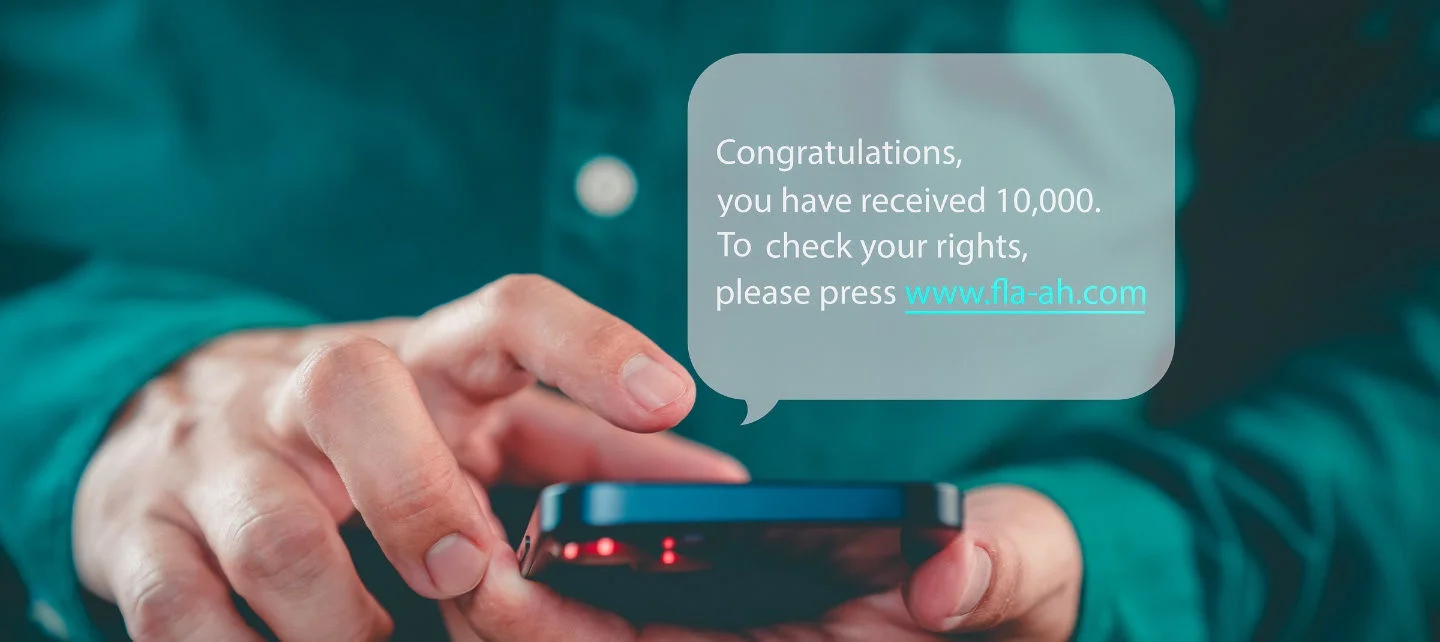
They messaged on WhatsApp that you've waon lottery share your bank details to get it in your bank
Block the sender directly
A text claiming your account will be frozen today unless KYC is updated, with a short link to a page that looks exactly like the bank site and asks for your customer ID, password and OTP.
Banks never send KYC links by SMS. Open the bank app yourself or visit a branch. Never complete KYC on a link someone sent you.
Caller says they are sending you a refund and asks you to approve a request or share the OTP to receive it. The OTP actually authorises money leaving your account.
No OTP or PIN is ever needed to receive money. Entering a PIN only ever sends money out. Cut the call.
A buyer for your used item sends a QR code and says scan it to receive payment. Scanning and entering your PIN debits your account instead.
Scanning a QR always pays out, never in. To receive money, share only your UPI ID or phone number.
You search for bank customer care, click a top result that is actually a fraud listing, and the person who answers walks you through installing a screen sharing app.
Take the helpline number only from the back of your card, your passbook or the official app. Never install any app a caller recommends.
Caller posing as bank staff asks you to install AnyDesk or TeamViewer to fix a failed transaction, then watches you type your credentials and reads your OTPs live.
No bank ever needs to see your screen. Uninstall these apps if a caller asked for them and change your net banking password immediately.
Fraudsters posing as CBI or Narcotics officers video call you, claim a parcel in your name contained contraband, and keep you on camera under so called digital arrest until you transfer money for verification.
There is no such thing as digital arrest. No agency demands money over a video call. Disconnect and call 1930.
An instant loan app approves a large amount, then demands a processing fee, GST and insurance upfront. Once you pay, the loan never arrives.
A genuine lender deducts charges from the disbursed amount. Never pay anything before receiving a loan.
A small instant loan app grants a tiny amount, harvests your contacts and gallery on install, then threatens to message your family with morphed photos over a small dues amount.
Borrow only from RBI registered lenders. Deny contacts and gallery permission. Report harassment to the cyber cell on 1930.
A message warns your power will be cut tonight over an unpaid bill and gives a personal mobile number. The person asks you to pay one rupee through a link to verify the meter.
Electricity boards do not send disconnection warnings from personal numbers. Pay only inside the official board app or portal.
A recruiter offers a bank or government job, sends a convincing offer letter, then asks for a registration or training deposit to hold the seat.
No genuine employer charges for a job offer. Verify the recruiter on the company website before paying anything.
You are paid small amounts for liking videos, then invited to a Telegram group where larger prepaid tasks promise higher returns until withdrawal is blocked.
If you must deposit money to earn money, it is a scam. Genuine part time work never asks for a deposit.
A stock tips group run by a fake fund manager shows daily profits and moves you to an app that looks like a real broker platform. Balances rise on screen but withdrawal fails.
Check the broker on the SEBI register. Real brokers never take money into a personal or random current account.
Caller claims your lapsed policy can be revived and the bonus released after paying a small clearance fee, quoting genuine sounding policy details.
Call your insurer on the number in the policy document. No insurer collects fees through an individual account.
Someone sends a small amount by mistake, then asks you to return it through a link or collect request that actually authorises a much larger debit.
Return money manually to the number that sent it. Never approve a collect request to send money back.
Your number suddenly stops working. Fraudsters have used your leaked KYC to get a duplicate SIM, then reset net banking using OTPs to the new SIM.
If your SIM goes dead without reason, call the operator at once. Enable app based login alerts that do not rely on SMS.
Cloned fingerprints from a property registration are used at a small business correspondent point to withdraw cash through the Aadhaar payment system, with no OTP involved.
Lock your Aadhaar biometrics on the UIDAI site or mNumber app. Unlock only when you actually need it.
Caller offers a free limit upgrade or lifetime free conversion and asks for the card number, expiry, CVV and the OTP to complete it.
Bank staff never ask for CVV or OTP. Request any upgrade yourself inside the bank app.
A message says your card reward points expire today and links to a redemption page that captures full card details and an OTP.
Redeem points only inside the bank app. No genuine redemption ever needs your CVV.
A lookalike bank app with a similar name and logo is published on an app store. It captures your login and card details on the first screen.
Install bank apps only from the link on the bank official site. Check developer name and download count before installing.
A seller claims your order failed and sends a refund request. Approving it debits you instead of crediting.
Refunds arrive automatically to the original payment method. You never approve anything to receive a refund.
Caller says a parcel addressed to you is stuck at customs and a duty must be paid immediately to a personal account to avoid a case.
Customs never calls demanding instant payment to a personal account. Verify with the courier using the official tracking number.
An overseas match on a matrimony site claims to have posted an expensive gift, then a fake customs officer demands clearance charges.
Never pay clearance for an unsolicited gift. Video call early and verify identity before any financial contact.
After a disaster, appeals with emotional images circulate with a personal UPI ID and no registration details.
Donate only to registered trusts through their official site. Check the 80G registration before giving.
A voice note claims you won a large lottery and must pay tax or processing charges to release the prize.
You cannot win a lottery you never entered. No genuine prize requires an advance payment.
Caller posing as treasury staff says pension will stop unless life certificate details are confirmed, then asks for account number and OTP.
Submit life certificates only at the bank, a CSC or through the official Jeevan Pramaan app.
During a bank merger, a message says your IFSC and account need revalidation and links to a fake login page.
Merger updates come through the official app and website. Confirm the new IFSC at a branch, never through a link.
A stranger offers help at an ATM, notes your PIN and swaps your card, then withdraws before you realise.
Never accept help at an ATM. Cover the keypad and check the card returned is actually yours.
A skimmer fitted over the card slot and a pinhole camera copy the card and PIN at an unattended ATM.
Tug the card slot before inserting. Prefer ATMs inside bank branches and switch on transaction alerts.
An official looking email announces a refund and asks you to confirm bank details on a linked page to process it.
The tax department never emails refund links. Log in to the official portal directly to check refund status.
A free trial sets up a UPI autopay mandate for a small recurring amount that is easy to miss on the statement.
Review autopay mandates monthly in your UPI app and cancel anything you do not recognise.
A rental listing at a low price shows a fake soldier or transferred officer story and demands a token advance before viewing.
Never pay a token before seeing the property and verifying ownership documents.
A buyer claiming to be posted in an army camp sends a fake payment screenshot and asks you to send a token amount for the courier.
A screenshot is not a payment. Check your bank balance yourself, and never send money to a buyer.
A group promises pre IPO allotment at a discount through an institutional quota and collects funds into a private account.
There is no pre IPO quota for retail investors. Apply for IPOs only through your broker or bank ASBA.
An influencer style account guarantees daily returns on a crypto deposit and shows fake dashboards until withdrawals stop.
Guaranteed daily returns do not exist. Any platform blocking withdrawals is already a scam.
A person claiming to be a bank agent visits villages collecting deposits with fake receipts and a card swipe machine.
Deposit only inside a branch or at a correspondent whose code you can verify with the bank helpline.
A blank signed cheque given for security is chemically altered and presented for a much larger amount.
Never sign a blank cheque. Cross it, write the amount in words and figures, and use positive pay for high value cheques.
After an email breach, a rule silently forwards bank alerts to the attacker so transactions go unnoticed.
Check email forwarding rules, enable two factor authentication and keep SMS alerts on for every debit.
You complain to a bank on social media and a lookalike handle replies within minutes asking you to share your registered number and a form link.
Verified bank handles never ask for details in replies. Check the tick and the exact handle before responding.
I ordered a dress and got 3rd class, cheap saree from the website.
Review about the website properly before purchasing anything.
They called me telling me offical details about themselves and me and then they were putting charges such as blue films watching and other charges and as soon as i started questioning them they started to abuse
in camera police,never share otp or additional offical information
The scammer sent a fake UPI payment screenshot and claimed the payment was successful. They pressured the seller to hand over the product before the payment was actually received in the bank account.
Always verify payments in your bank account or UPI app. Never trust screenshots alone. Deliver products or services only after confirming that the payment has been received.
Called pretending to be one of the relative in emergency
Never share the otp
They pretended to be from private company
Never share otp
I received a WhatsApp message saying my bank KYC had expired and my account would be blocked. The message included a fake link to "update" my details. After entering my information, unauthorized transactions were attempted from my account.
Banks do not ask customers to update KYC through random WhatsApp links. Always verify messages through the bank's official website or app. Never click suspicious links or share OTPs, PINs, or card details.
Sending Email that your request for loan has been approved on least rate of interest. You just have to give us your details
Never share your details to these kinds of emails.
They called pretending to send money and ask for OTP to receive money.
Never share your OTP with anyone in any circumstances.
I almost fell for a scam this summer. A few institutions kept promoting their "limited-time discounted" summer courses, claiming they would boost my CV and career. After looking into them, I realised most of these courses had no recognised or valid certifications. They were charging hefty fees for certificates that held little to no value. It felt more like a summer break money-making scheme than genuine education. Before enrolling anywhere, always verify whether the certification is recognised and whether the institute is credible.
Don't let flashy discounts and marketing fool you. Stay informed and save your hard-earned money.